Birth rates in Nice and Provence-Alpes-Côte d'Azur: a dynamic market despite a complex demographic context
📊 Local birth rate: a mixed picture
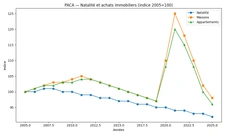
Contrary to popular belief, the Provence-Alpes-Côte d’Azur (PACA) region—including Nice—does not stand out for its particularly high birth rate when looking at the most recent departmental data.
In the Alpes-Maritimes department, the birth rate remains around 10.7 per thousand, slightly higher than the previous national average (approximately 9.5–9.7 per thousand depending on the period), but this trend is combined with a gradual aging of the population.
📍 For the city of Nice itself, demographic data shows that the birth rate has fluctuated around 12–13 per thousand in recent years, which is higher than the national average and closer to typical urban demographic profiles.
🏠 What this means for real estate in Nice
1. Diverse Residential Demand
Nice remains attractive to families and young professionals thanks to its quality of life (climate, leisure activities, access to the sea), resulting in consistent demand for family and mid-range housing.
2. Market Driven by Attractiveness Rather Than Birth Rate
Even though the birth rate isn't particularly high, Nice continues to attract residents through its residential, tourist, and economic appeal, which fuels real estate demand.
3. Pressure on Prices and Rental Markets
The combination of strong attractiveness and limited land availability along the coastline creates pressure on prices and rents, particularly for properties suitable for families or first-time buyers.
📈 A higher birth rate in cities than in the suburbs
Local data suggests that the city of Nice sometimes has slightly higher birth rates than the department as a whole, reflecting an urban demographic appeal.
This is not a population explosion, but a positive factor in a national context of declining births, particularly because families seem to favor cities offering a good balance between quality of life and services.
🧩 Conclusion
In Nice and the Provence-Alpes-Côte d'Azur region, the birth rate does not fully offset the national downward trend, but residential growth remains driven by local attractiveness (household mobility, quality of life, tourism economy, and services). The real estate market remains dynamic, with sustained demand for various types of housing.